



Company dynamics



Basic knowledge of frame circuit breakers
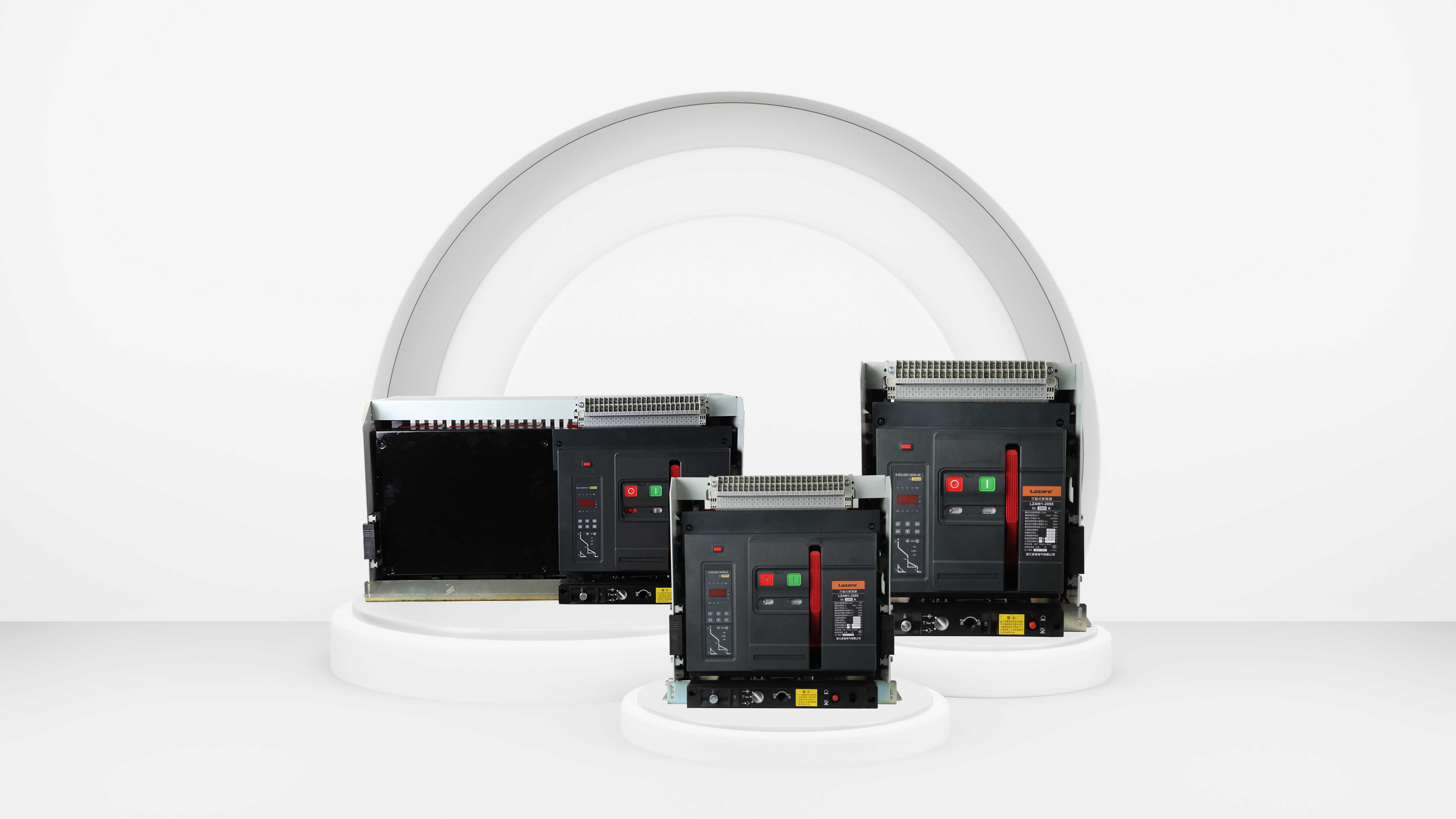
Frame circuit breaker (also known as frame circuit breaker) is an important protection device used in power systems, widely used in industrial, commercial and civil building electrical equipment. They not only effectively protect electrical equipment from overload and short circuit, but also have a variety of functions to adapt to different application requirements. This paper will introduce the basic knowledge of frame circuit breaker in detail, including its definition, working principle, main characteristics, application fields and maintenance.
Definition of frame circuit breaker
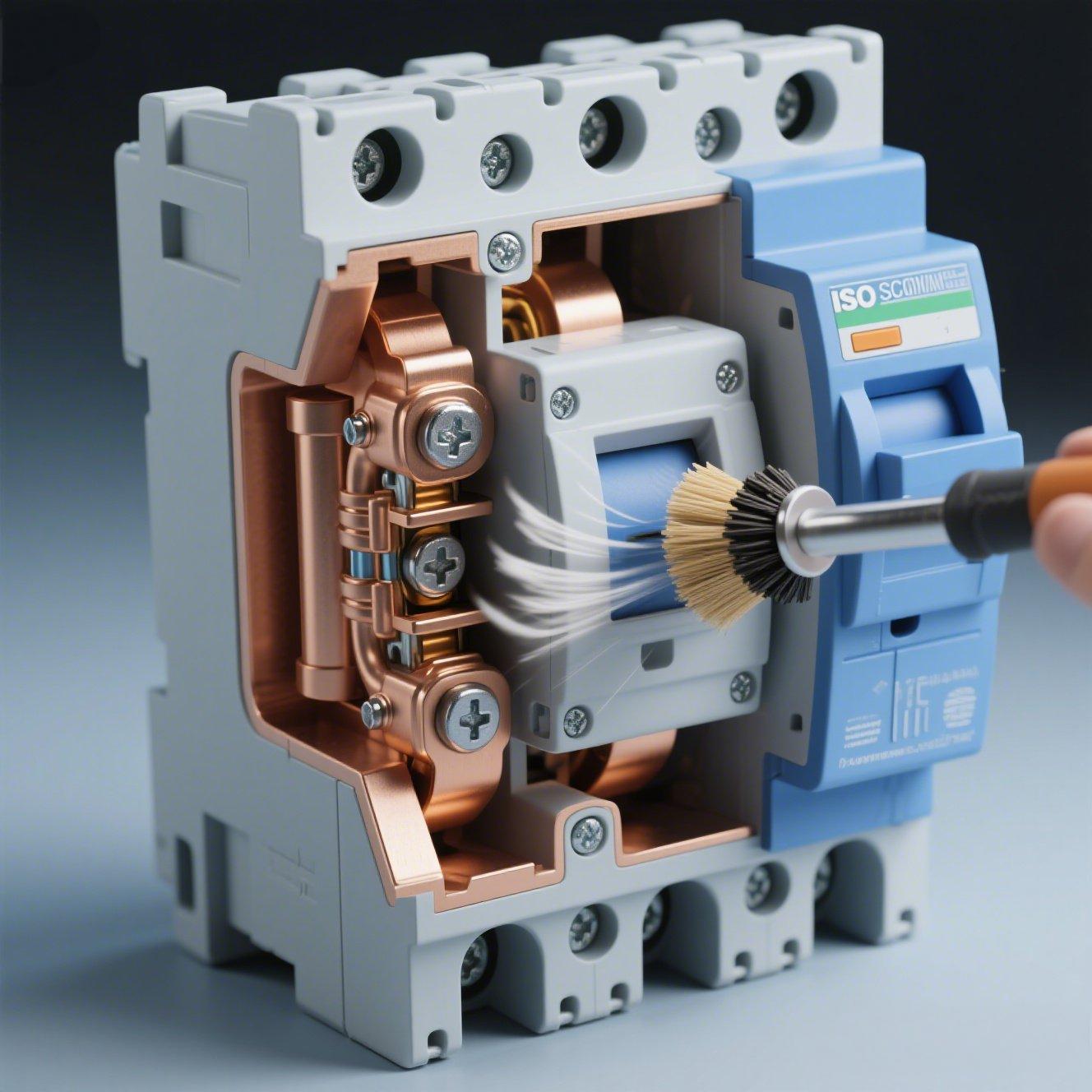
Frame circuit breaker is an electrical device that can automatically cut off the circuit in case of abnormal current. It usually consists of one or more electrical contacts, a release device, an arc extinguishing device, and a housing. Frame circuit breakers are designed to withstand higher currents and voltages and are suitable for protection of high-power electrical equipment.
Second, the working principle
The working principle of frame circuit breaker is mainly based on current monitoring and control. When the current exceeds the set rating, the internal release will act quickly to cut off the circuit. Its main components include:
Contact: responsible for the current on and off, usually made of conductive materials, with good electrical conductivity.
Trip device: Monitors the current and cuts off the power in case of an abnormal situation, divided into thermal trip device and electromagnetic trip device two types.
Arc extinguishing device: Eliminates the arc when the current is cut off, protecting the device, usually using air or other insulating materials.
Housing: Provides mechanical protection against the influence of the external environment on the internal components.
Three, the main characteristics
High reliability: Frame circuit breakers are designed to withstand high currents and high voltages with good durability and reliability.
Flexibility: Can be configured according to different application requirements, support a variety of functions, such as overload protection, short circuit protection and leakage protection.
Automatic recovery function: After troubleshooting, the frame circuit breaker can automatically restore power to reduce downtime.
Easy maintenance: Frame circuit breakers are designed to be easy to inspect and maintain, facilitating regular maintenance.
4. Application field
Frame circuit breakers are widely used in the following fields:
Industrial equipment: Used to protect large machinery and equipment to ensure production safety.
Commercial buildings: Ensure the stable operation of the electrical system and prevent accidents such as fire.
Civil buildings: Protect household appliances against overload and leakage.
Power systems: In substations and distribution systems, frame circuit breakers are used to protect electrical equipment and lines.
Maintenance and maintenance
In order to ensure the normal operation of the frame circuit breaker and extend its service life, regular maintenance and inspection are essential. It mainly includes:
Regular inspection: Regularly check the working status of the frame circuit breaker to ensure its sensitivity and reliability.
Cleaning and maintenance: Keep the frame circuit breaker clean, regularly remove dust and dirt to prevent heat dissipation.
Functional testing: Regular functional testing to ensure that the frame circuit breaker can work normally in the case of failure.
Replace damaged parts: Replace damaged contacts and trip devices in a timely manner to ensure the normal running of the device.
Vi. Summary
As an important protection device in electrical system, frame circuit breaker plays a vital role. Understanding its basic knowledge, working principle, main characteristics and application fields is helpful to better use and maintenance of frame circuit breakers to ensure the safety and stability of electrical systems. Regular inspection and maintenance can not only improve the reliability of the equipment, but also reduce potential security risks.