



Company dynamics




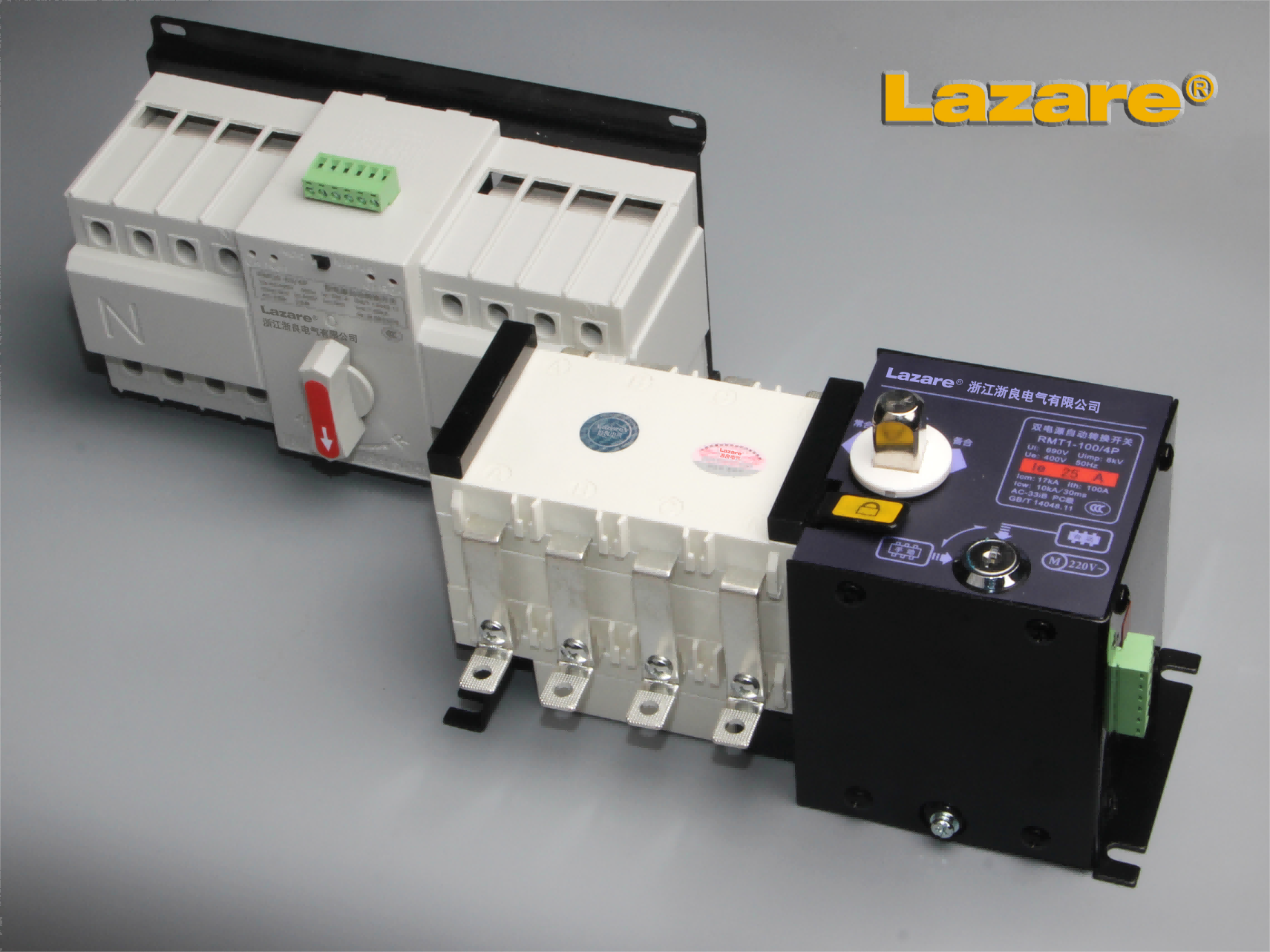
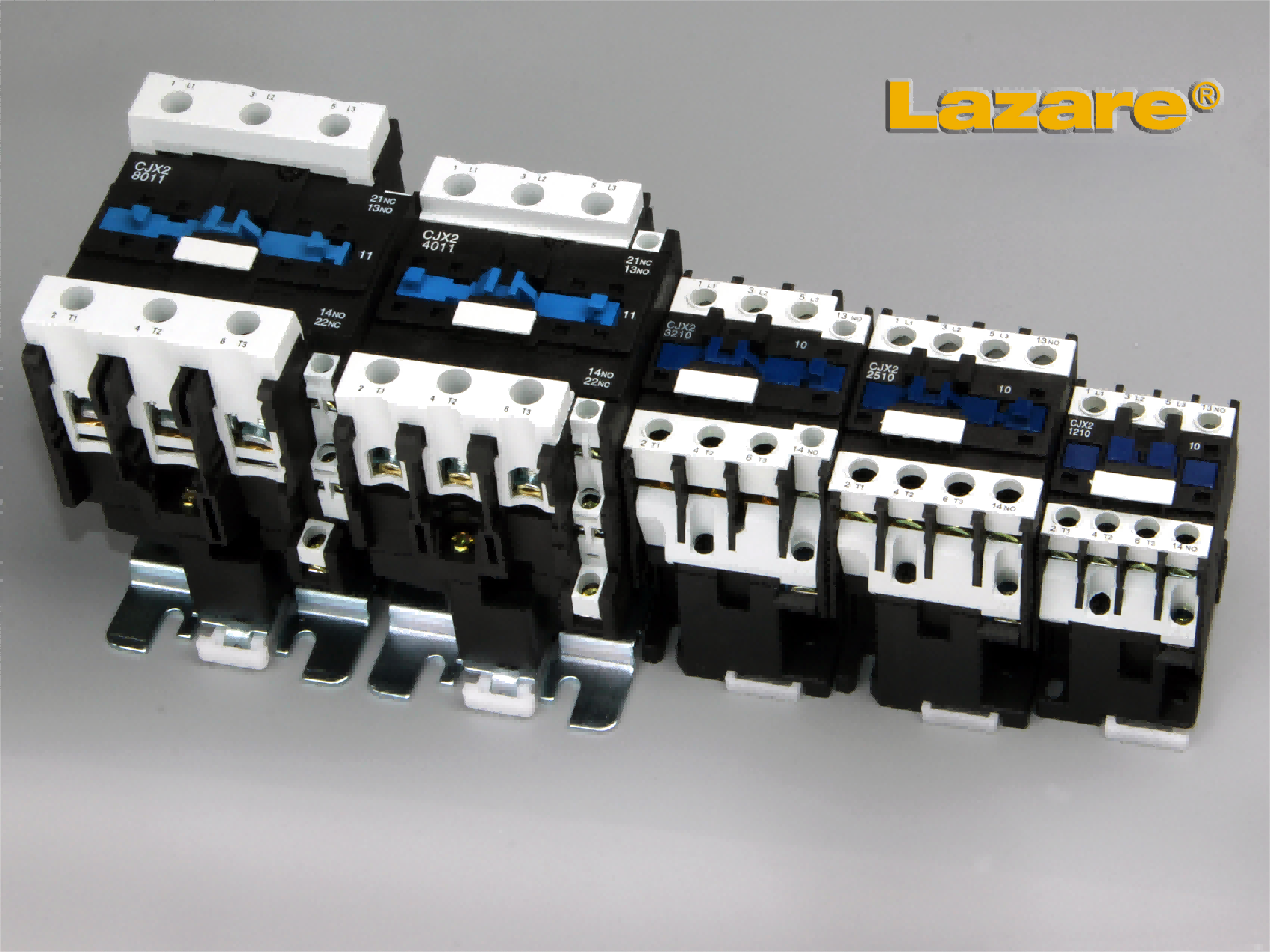
What is a circuit breaker?
Definition and function
Circuit breaker is an automatic electrical switch, mainly used to protect electrical equipment and circuits to prevent electrical accidents caused by faults such as overload and short circuit. It can quickly cut off the power supply when the current is abnormal, ensuring the safety of equipment and personnel. The circuit breaker can not only be operated manually, but also has an automatic recovery function, which can automatically re-close after the fault is removed.
Second, the type of circuit breaker
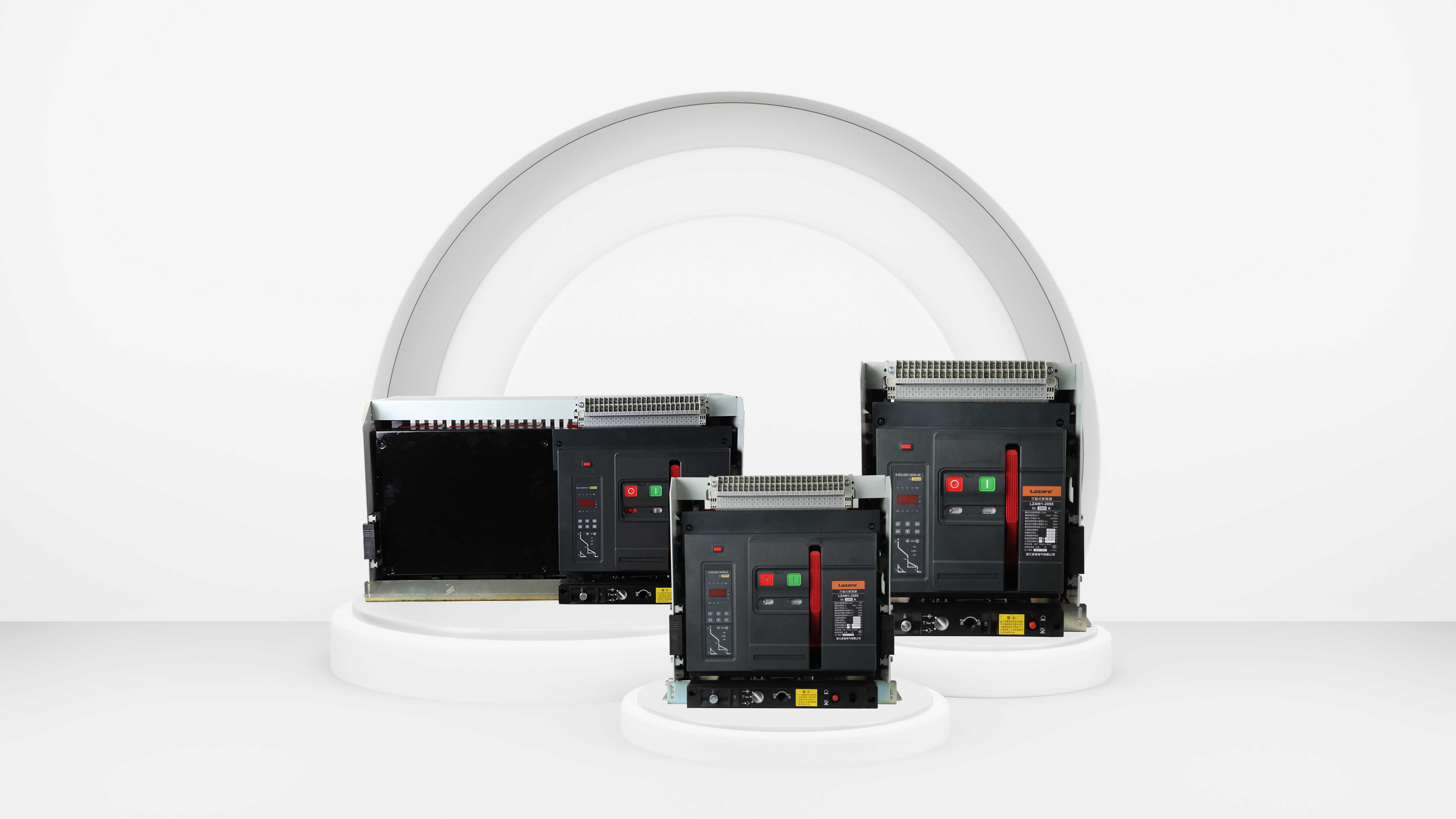
Air circuit breaker: The use of air as an insulating medium, suitable for high voltage and high current occasions, widely used in industrial and commercial buildings.
Plastic-case circuit breaker: small size, light weight, suitable for low-voltage circuits, often used for electrical protection in homes and small businesses.
Leakage circuit breaker: specially used to detect leakage current, can quickly cut off the power supply when leakage occurs, to protect personal safety.
Dc circuit breaker: used for the protection of direct current circuit, widely used in solar power generation systems and electric vehicles and other fields.
Third, the working principle of the circuit breaker
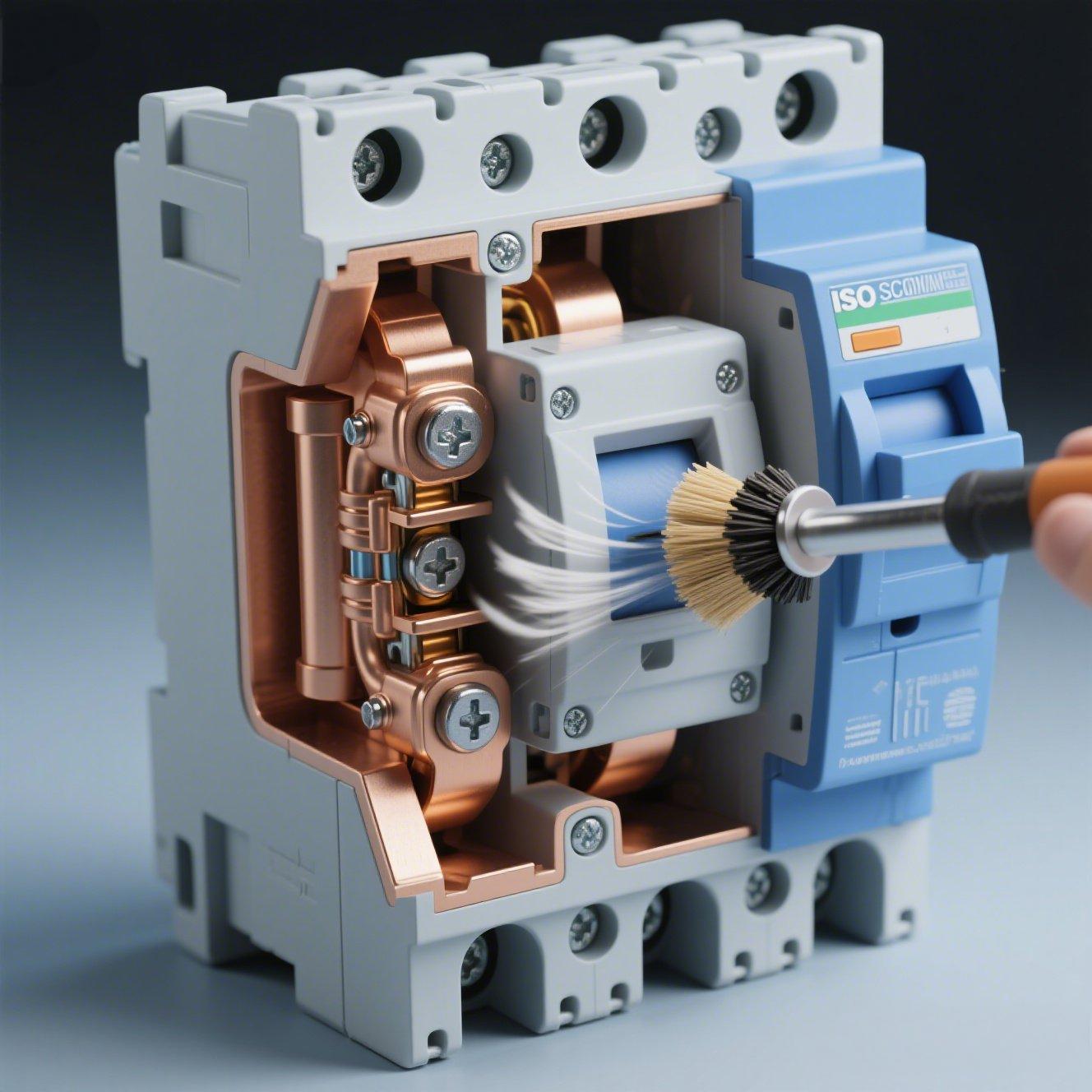
The working principle of circuit breaker is based on current monitoring and control. When the current exceeds the set rating, the trip device inside the circuit breaker will act quickly to cut off the circuit. Its main components include:
Contact: responsible for the current on and off.
Trip device: Monitors current and cuts off power if abnormal.
Arc extinguishing device: eliminate the arc when cutting off the current, protect the equipment.
Fourth, the application of circuit breakers
Circuit breakers are widely used in various fields, including:
Home electrical system: Protect home appliances against overload and leakage.
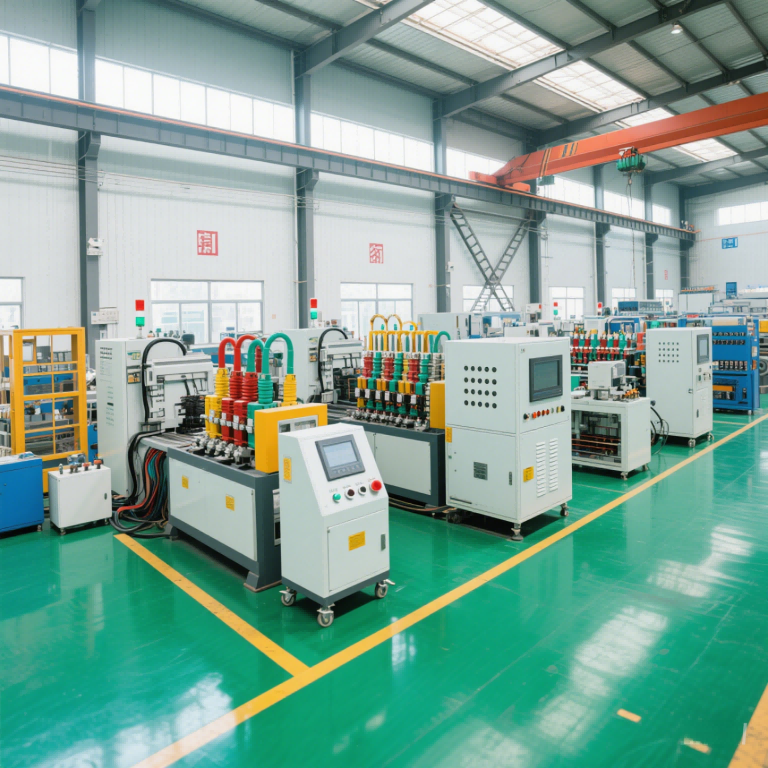
Industrial equipment: Protect large machinery and equipment to ensure production safety.
Commercial buildings: Ensure the stable operation of the electrical system and prevent accidents such as fire.
Fifth, circuit breaker maintenance and maintenance
In order to ensure the normal operation of the circuit breaker and extend its service life, regular maintenance and inspection are essential. It mainly includes:
Regular inspection: Regularly check the working status of the circuit breaker to ensure its sensitivity and reliability.
Cleaning and maintenance: Keep the circuit breaker clean and regularly remove dust and dirt.
Functional testing: Perform regular functional testing to ensure that the circuit breaker can work normally in case of failure.
Vi. Summary
As an important protection device in electrical system, circuit breaker plays a vital role. Understanding its definition, type, working principle and application field helps to better use and maintain circuit breakers to ensure the safety and stability of electrical systems. Regular inspection and maintenance can not only improve the reliability of the equipment, but also reduce potential security risks.