



Company dynamics



The difference between frame circuit breakers and moulded case circuit breakers
1. Frame circuit breaker
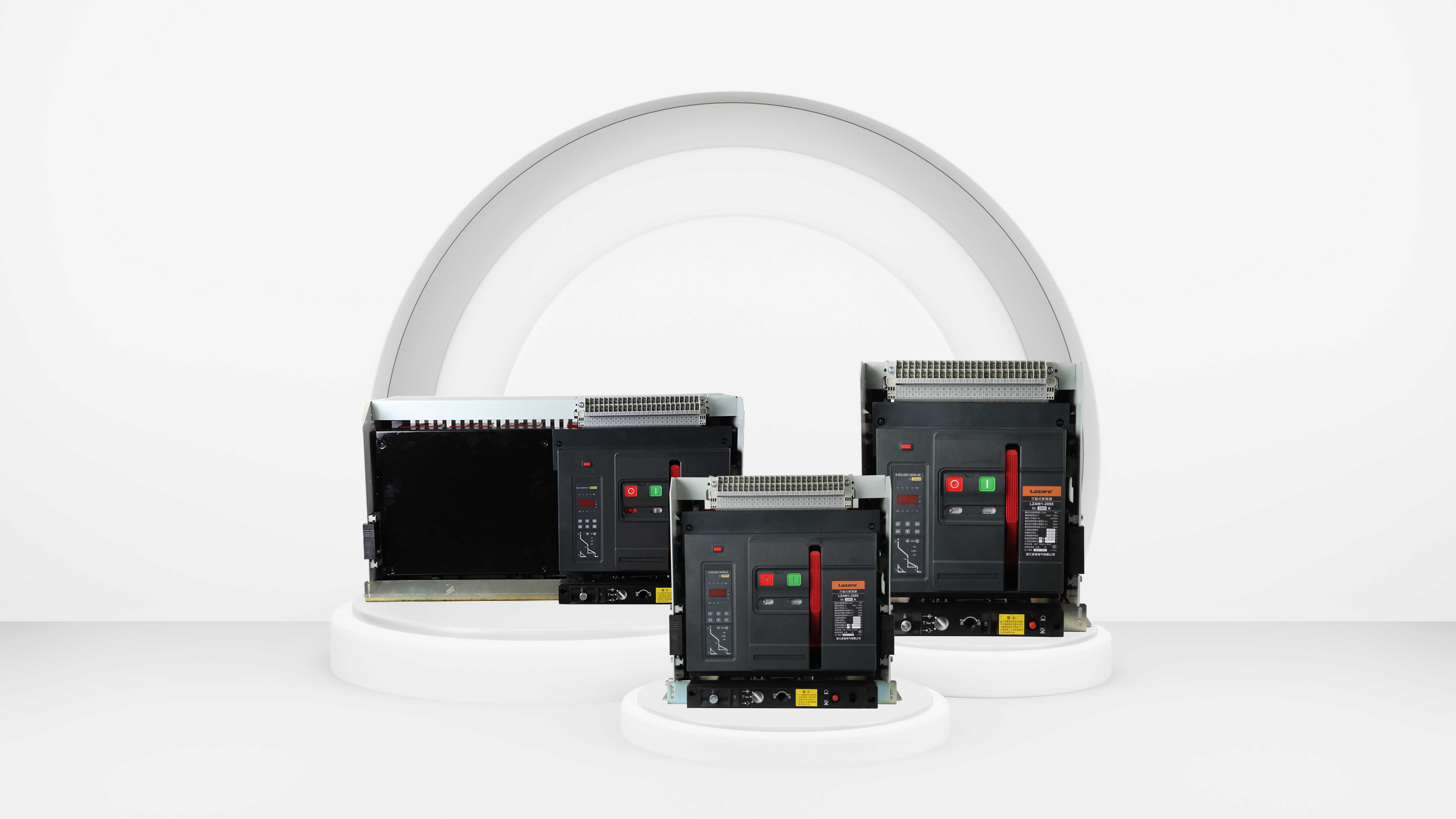
An Air Circuit Breaker (ACB) is a type of circuit breaker that uses air as an arc extinguishing medium. It usually consists of a frame, a contact, a spring operating mechanism, an arc chamber and a control element.
Frame circuit breakers are supported by a reliable and robust metal frame with internal contacts and spring operating mechanisms. When there is an overload or short circuit occurs, the spring operating mechanism will quickly open or close the contact to achieve the protection of the circuit.
peculiarity
1 High break capacity: Frame circuit breakers usually have a high break capacity and can withstand transient and continuous overload of large currents.
2 High reliability: The frame circuit breaker adopts a reliable and strong metal frame, which has a long service life and good durability.
3 Flexibility: The frame circuit breaker can be adjusted and set as needed to meet the needs of different circuits.
4 Functions: The frame circuit breaker is usually equipped with overload protection, short circuit protection, ground fault protection and communication interface functions.
2. Moulded case circuit breaker
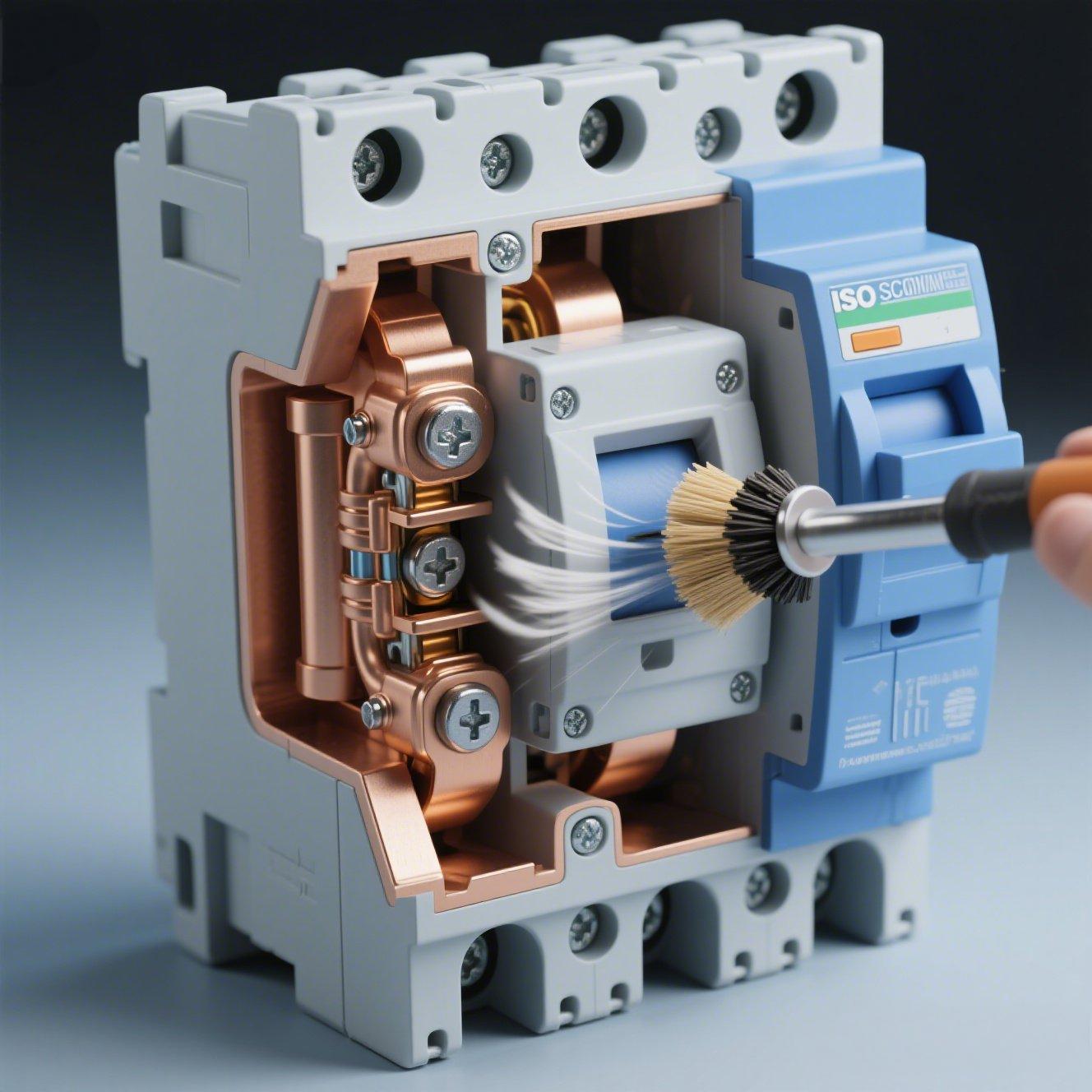
Molded Case Circuit Breaker (MCCB) is a type of circuit breaker that is enclosed in a plastic housing. It consists of one or more circuit breaker modules and provides overload and short circuit protection.
The shell of a moulded case circuit breaker is usually made of high-strength insulating material and contains one or more separate circuit breaker modules inside. Each module consists of a contact, a spring operating mechanism, a magnetic release and a protective device.
peculiarity
1. Low breaking capacity: The breaking capacity of the moulded case circuit breaker is usually low, suitable for small and medium-sized circuits, and cannot withstand the transient and continuous overload of large current.
2. Compact size: Plastic-case circuit breaker adopts compact design and small size, which is suitable for application scenarios with limited space.
3. Easy installation and maintenance: The MCCB has the characteristics of easy installation and maintenance, which can quickly replace the faulty module and reduce the downtime.
4. Multiple protection functions: Moulded case circuit breakers usually provide overload protection, short circuit protection and undervoltage protection and other functions.
The main differences between frame circuit breakers and moulded case circuit breakers:
1. Structure and design
Frame Circuit breakers (ACBs) usually use metal housing, internal structure is more complex, can withstand higher current and short circuit current. Its design allows for greater current capacity and is suitable for high-power equipment and industrial applications.
Molded Case Circuit Breaker (MCCB) is a plastic shell, relatively simple structure, mainly used for low current and low power circuit protection. The small size of the moulded case circuit breaker is suitable for electrical protection in homes and small business places.
2. Rated current and application
The rated current range of frame circuit breakers is usually large, generally ranging from tens of amperes to thousands of amperes, which is suitable for high-load occasions such as large industrial equipment, power plants and distribution systems. They provide higher short-circuit protection and are suitable for complex power systems.
The rated current of moulded case circuit breakers is generally small, usually between a few amps and several hundred amps, mainly used for circuit protection of residential, commercial buildings and small industrial equipment. They are suitable for low-voltage circuits and can effectively prevent the fire risk caused by overload and short circuit.
3. Protection function
Frame circuit breakers usually have a variety of protection functions, including overload protection, short circuit protection and leakage protection, which can provide comprehensive electrical safety protection. Some high-end models also support intelligent monitoring and remote control functions to meet the needs of modern power management.
Plastic-case circuit breakers mainly provide overload and short circuit protection, the function is relatively simple, but in the home and small business environment is enough to meet the basic electrical safety needs.
4. Price and maintenance
Due to the high manufacturing cost and technical requirements of the frame circuit breaker, its price is usually higher than that of the moulded case circuit breaker. In terms of maintenance, frame circuit breakers need to be checked and tested regularly to ensure their reliability under high load conditions. The maintenance of the moulded case circuit breaker is relatively simple, and the user can judge its working status by observing the indicator light and manually resetting.
Conclusion
With the continuous development of power electronics technology, circuit protection equipment is also improving. Frame circuit breaker and moulded case circuit breaker as two important types, each has its own unique advantages and application fields. Understanding their differences helps us to choose the most suitable circuit protection scheme according to the actual needs. In the future, we expect to see more technological innovation in this area leading to a more diversified product selection.